
The Starman: David Bowie’s Reinvention of Rock and Sexuality
By Sam Aylwin, 2nd Year History
January 10 2026, marked the 10th anniversary of David Bowie’s passing. Hailed as one of rock’s most progressive innovators and influential musicians of the 20th century, it was a tragic loss for the music industry and fans all over the world.
Born David Robert Jones on January 8, 1947, in Brixton, London, Bowie started in music during the 1960s mod era with bands like the King Bees before going solo. It was his half-brother Terry Jones, who introduced him to rock 'n' roll, jazz, beat poetry, and Soho's bohemia, igniting Bowie's creative fire. It was a teenage brawl that famously permanently dilated his left pupil, fuelling his fascination with guises that would become staples of his later career.
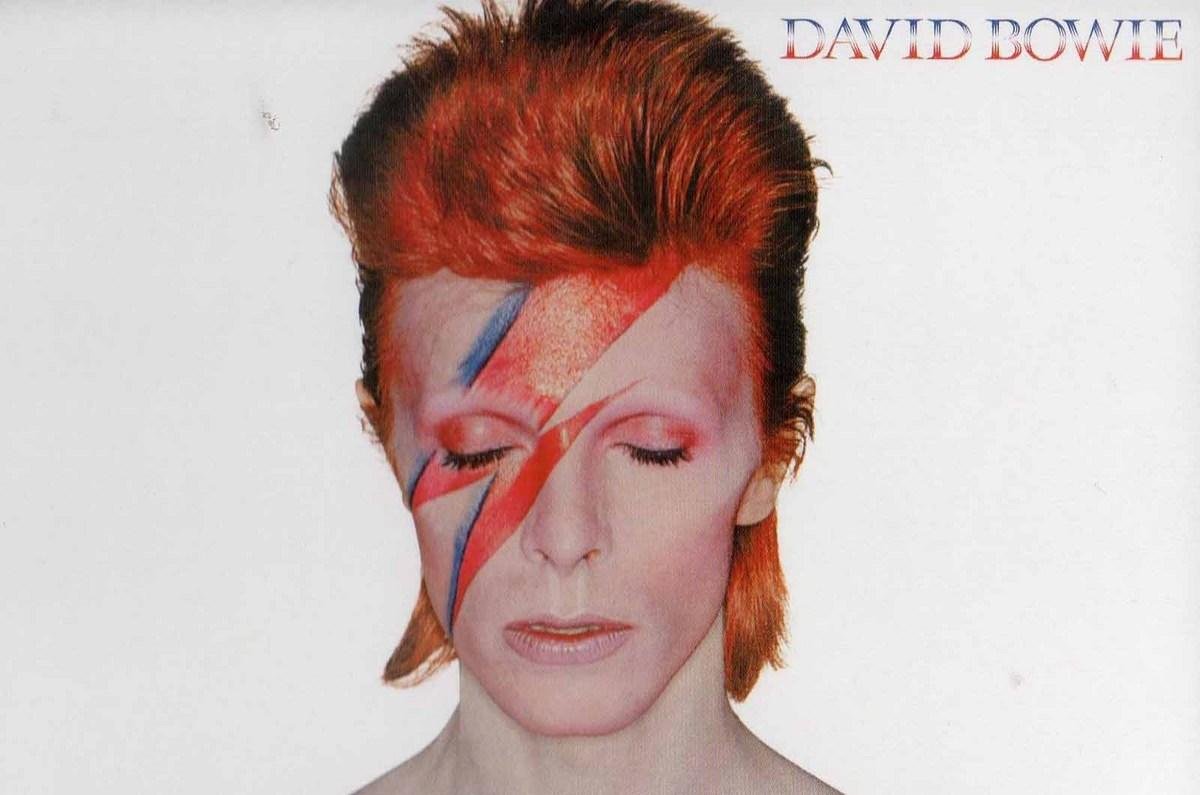
Figure 1: Front cover of Bowie’s Aladdin Sane album, credit: Ultimate Classic Rock
By the time David Bowie killed off Ziggy Stardust onstage in 1973, he had already detonated two traditions at once: the straight, denim-clad masculinity of classic rock and the idea that sexuality and gender should stay politely offstage. In a few short years, this awkward kid from Bromley turned himself into a rock and roll pioneer and an unlikely queer icon, using his on-stage persona to defy masculine ideals and pioneer the glam-rock era.
Bowie never restricted himself to just rock ‘n’ roll; he used it as a vessel to implement folk, hard rock, soul, krautrock and electronic music, merging across the genres and feeding them back into the mainstream in new forms. Early 70s albums like Hunky Dory and The Man Who Sold the World reimagined rock as literate and urbane, while Bowie’s Magnum Opus, The Rise and Fall of Ziggy Stardust and the Spiders from Mars, has an almost ethereal sound, taking listeners on an adventure out of this world, with a narrative abut an androgynous alien messiah falling apart under the weight of fame.
That impulse to transform made him one of rock’s great futurists. The Ziggy era codified glam rock, but it also transcended it, showing that theatricality could carry serious emotional and conceptual weight. In the mid-70s, he pivoted again with Young Americans, diving headlong into Philadelphia soul and funk, then stripped everything down to icy, minimalist experiments on his Berlin Trilogy (Low, “Heroes”, Lodger. Although these albums were less commercially successful, their impact helped seed post-punk, synth-pop and even industrial music. If you draw a line from Joy Division to Nine Inch Nails to contemporary art-pop, Bowie is somewhere near the root every time.
After the Berlin Trilogy, Let’s Dance was the album that proved Bowie’s genius, his ability to shift so seamlessly from cult innovator into a fully-fledged global pop star, is highlighted by the commercial success of the album. Produced with Nile Rodgers, it gave him his first transatlantic number one single with the title track and became the best-selling album of his career. The record’s sleek, funk-inflected pop, supported by heavy MTV rotation for “Let’s Dance” and “China Girl,” plugged him into the new video age and stadium scale, in stark contrast to the more experimental Berlin-era work that preceded it. Bowie later admitted he had deliberately aimed for a more accessible sound and then felt boxed in by the resulting mega-success, viewing the 1983–87 period as a kind of artistic cul-de-sac he had to fight his way out of, which is why Let’s Dance is often seen both as his commercial zenith and the start of a crisis about authenticity that shaped the rest of his career.
But Bowie’s revolutions were never just musical; they were visual and erotic. As rock hardened into a straight, macho pose in the late 60s, he stepped onto television in a quilted jumpsuit, hair flaming orange, eyeliner sharp enough to cut, and calmly put his arm around guitarist Mick Ronson while singing “Starman” on Top of the Pops in 1972. That fleeting, almost casual gesture – one man leaning affectionately on another in front of millions – read as a small earthquake in British living rooms. CBC later described how Bowie “changed the rules about gender and bodies and love” for a generation who didn’t fit heterosexual norms.
Part of the shock came from his words as much as his wardrobe. In a 1972 Melody Maker interview, Bowie announced, “I’m gay and always have been,” at a time when public figures still risked their careers for much less. He would call himself bisexual in a 1976 Playboy interview, and years later, half-walk some of that back as a publicity move, but the impact of those statements lingered far beyond his own ambiguity. Bowie’s willingness to play with the label – sincerely or strategically – still helped carve out space for later artists to speak more plainly.
Ziggy Stardust became the central figure in this queer mythology: “a bold, knowing, charismatic creature neither male nor female,” as critic Camille Paglia put it, an avatar of gender fluidity before the term existed. The costumes – towering boots, feather boas, shaved eyebrows, lipstick and glitter – didn’t just decorate the music; they redesigned what “queer” could look like in the public imagination, away from caricature and toward something glamorous, dangerous and cool. It is argued that Ziggy helped pave the way for generations of androgynous performers.
What makes Bowie feel so contemporary is that he didn’t separate any of this. The rock and roll pioneer and the queer icon were the same person, working on the same project: expanding the emotional and aesthetic range of pop culture. His fearless mash-ups of genre made rock more elastic; his fearless play with gender and sexuality made identity more elastic, too. In an era when we expect pop stars to reinvent themselves and to speak openly about queerness, it’s easy to forget how radical it was to do either, let alone both at once, in the early 1970s.