Who Had the Right to Be a Mother? The Limits of Maternal Power under Slavery
By Sukhi Singh, 2nd Year History
Under slavery, motherhood was a matter of contradiction. Women were often compelled to nurture and breastfeed their enslaver’s children, whilst being denied control over their biological children. Slavery therefore separated maternal care from maternal authority through the systematic exploitation of their nurturing roles.
Historian Deborah Grey White describes enslaved women as having “the least formal power” and as the most “vulnerable group of antebellum Americans”; such limitations of formal power can be explored through the lens of motherhood, a dimension of women’s experience that has often been underrepresented. However, it is important to note that slavery did not simply deprive women of motherhood; it appropriated maternal functions whilst stripping women of maternal authority.
Although maternal identity was fractured, slavery could not entirely extinguish the emotional bonds underpinning motherhood. Indeed, the violence of enslavement depended upon the recognition of the enslaved women’s capacity to experience pain and suffering, even as their humanity was systematically denied. The persistence of these bonds could be expressed through enslaved women’s attempts to combat familial separations, continue maternal care, and resist enslavement to protect their children.
Moreover, motherhood could become a means of resistance; many women suffered with the intention of protecting their children, allowing them to exercise a degree of autonomy despite the constraints of enslavement. One of the clearest examples of this contradiction was the expectation of enslaved women to breastfeed and care for their enslaver’s white children. This was particularly associated with the antebellum period, especially in the 19th century, before the American Civil War. This was known as “other mothering”, a form of coerced labour which capitalised on the most intimate aspects of these women’s lives.
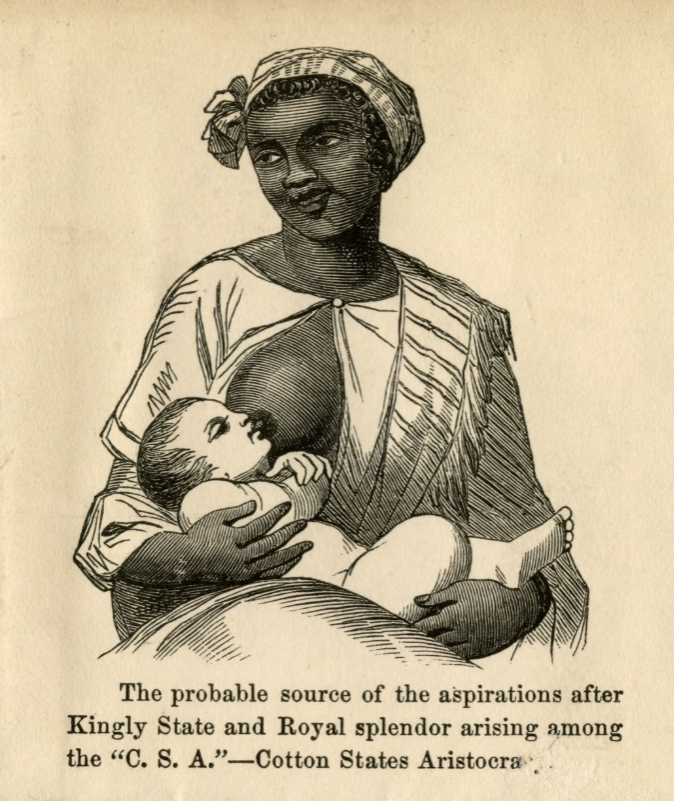
Figure 1. “Slave Nursing White Baby, Envelope 2,” 1861-1865. John A. McCallister Collection: Civil War Envelopes, Library company of Philadelphia.
This exploitation appears in advertisements from the antebellum South. For example, the Charleston Mercury published an advertisement in June 1856, under the heading “Private Sales. Healthy Young Wet Nurse”, revealing how enslaved women’s capacity to breastfeed was considered economically valuable. Advertisements often used language such as “likely”, “superior” and “first rate character”, reducing enslaved women to a set of desirable, economically beneficial characteristics.
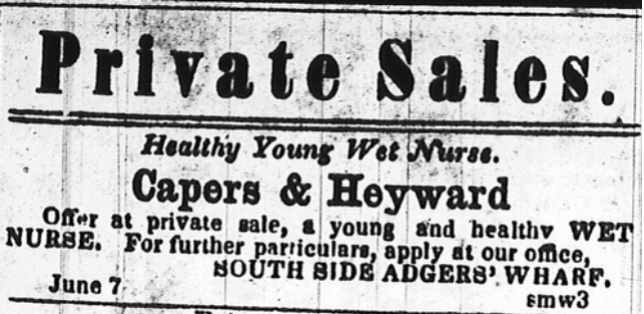
Figure 2. The Charleston Mercury, 7 June 1856, Special Collections, College of Charleston Library.
Notably, an enslaved person’s status was inherited through the mother, creating a paradox in which motherhood could determine the legal status of a child, yet the mother themselves had no legal power over the child. Their capacity to nurture, an indisputably human characteristic, was economically valuable: Rebecca Winer shows breastfeeding involved ‘mixed labour conditions, monetary compensation and extra-professional appreciations such as beauty, sympathy or “good” personality’.
Yet this value could come at the expense of their own children, with women denied the ability to live with their own children, while wet nurses without their own children were preferred. They were valued for the most intimate function of motherhood, yet a relationship with their own child was treated as an obstacle to such labour.
Motherhood was not simply something imposed by slavery. It could provide enslaved women with reasons and relationships that challenged slavery. Such resistance can be seen in Harriet Jacobs’s ‘Incidents in the Life of a Slave Girl’,1861, which narrates the story of Linda Brent, her narrative self, an enslaved woman who is sexually harassed and purposefully becomes impregnated to try to undermine Dr Flint’s sexual control, yet later realises her child will be enslaved. The autobiography is set in North Carolina, where Jacobs was born into slavery, eventually escaping to New York in 1852, where she wrote this book. It was especially groundbreaking as it was one of the first female slave narratives, including specific gendered traumas of enslavement.
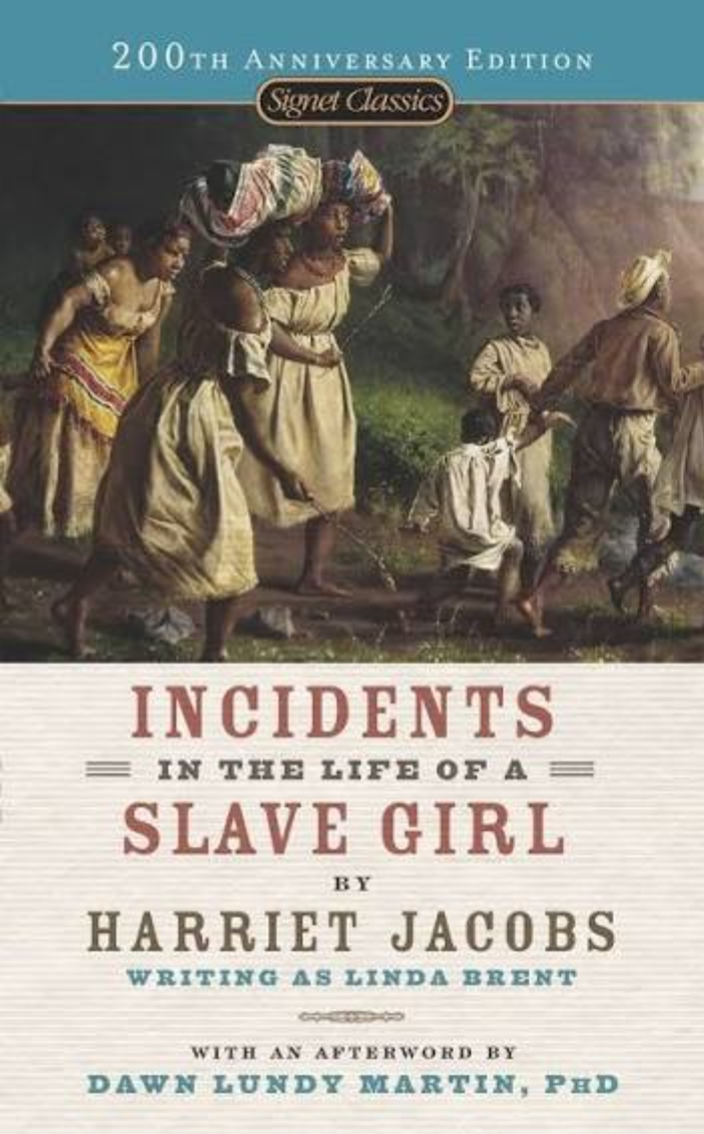
Figure 3. Paperback cover of ‘Incidents in the Life of a Slave Girl’ by Harriet Jacobs, 1861, self-published in Boston.
Linda initially wishes death on her unborn child; however, later claims, “I had prayed for his death, but never so earnestly as I now prayed for his life.” Notably, her child is a reason for her to continue, endure and ultimately to resist. Her children became a source of vulnerability and a reason to survive. Rather than escaping, Linda hid above her grandmother’s house for seven years so that she could remain near her children, highlighting how suffering could become a constrained form of agency. Linda actively chose the conditions imposed upon her in order to protect her children. Motherhood did not outright give Linda freedom. Instead, it gave her a reason to pursue it. Essentially, her children became “another link to life”, transforming motherhood from an imposed condition into a relationship which shaped her choices.
It would be misleading to understand motherhood solely as a channel of resistance. To do so limits enslaved women’s experiences solely to the system which oppressed them, a reductionist narrative. Moreover, motherhood was additionally a source of profound vulnerability.
Not all mothers welcomed death as it freed loved ones from bondage; Sasha Turner moves beyond simplistic narratives of resistance and exposes the horrors of bereavement, trauma and loss.
Diana Paton similarly exposes how pro-natalist policies shaped the everyday lives of enslaved women regardless of whether they were mothers or not, highlighting how reproductive capacity was an important part of how enslaved women were valued and controlled.
Such vulnerability did not necessarily eliminate agency: for some women, it provided them with a powerful motivation to survive.
So, who had the right to be a mother?
It is important to note that motherhood wasn’t inherently resistance, nor simply oppression.
Whilst the system of slavery possessed the ability to appropriate the functions and labour of motherhood, ultimately, it could never eradicate maternal relationships or determine what maternal relationships meant to the women themselves. Moreover, the same bonds which slavery aimed to exploit simultaneously gave women motivation to survive, reinforcing the humanity of enslaved women, their capacity to love, grieve and care, something which slavery attempted to control and subjugate.
Edited by Bea Vivian, Editor-In-Chief, 3rd year History and English