
Bassline of belonging: Windrush, Caribbean Identity, and Bristol’s Musical Evolution
By Anna Luchmun, 3rd Year, History
Bristol is widely recognised for its diverse music culture, encompassing a range of musical genres that have shaped Bristol’s cultural landscape. Heavy basslines and sonic tones dominate the sounds of Bristol. These are characteristic of popular genres such as dubstep, drum and bass, jungle, trip-hop, reggae and grime. The evolution of how such a multicultural and diverse music scene came to be established is largely overlooked. To understand Bristol’s musical heritage, we must recognise the profound influence of the Windrush Generation in shaping Bristol’s syncretic and dynamic music scene.
Following World War Two, the opening of immigration from the ‘New Commonwealth’ witnessed an influx of migrants to help address labour shortages in the United Kingdom. The Empire Windrush (1948) marked the first major, high-profile arrival of post-war Caribbean migrants to Britain, of which many ended up navigating to Bristol to find work. This post-war Caribbean diaspora established the first settled Black community in Bristol. Concentrated in the war-torn and overcrowded streets of St. Paul’s and Easton, these areas became the epicentre of Caribbean community life in Bristol. Migrants faced a hostile reality, being subjected to the colour bar in all aspects of their lives, especially regarding housing and employment. Amid widespread discrimination, Caribbean migrants preserved their community and cultural identity through the consumption of Caribbean music and the development of their distinctive sound system culture.
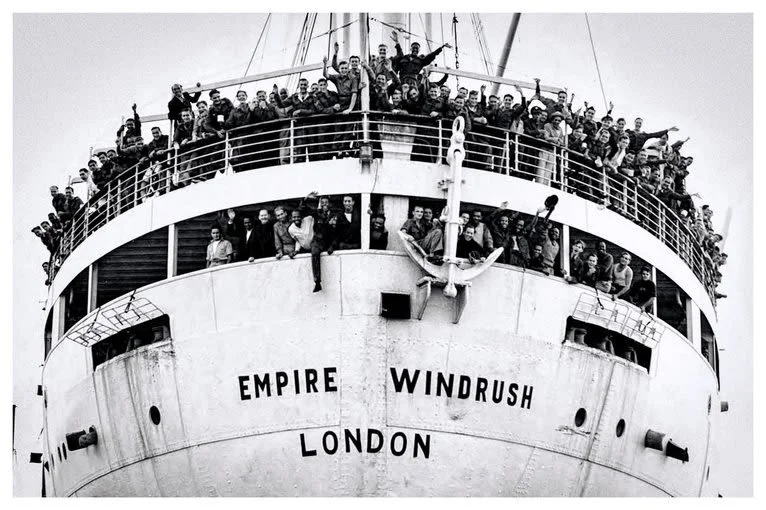
Figure 1: The Empire Windrush arrives full of West Indian Immigrants on 22 June 1948, Credit: Contraband Collection/Alamy
Sound system culture originated in Jamaica during the mid-twentieth century, initially playing imported American rhythm and blues. Rival sound system crews vied for sonic dominance using heavier basslines to drown out the sound of opposing systems. The Windrush Generation brought their sound system culture with them to Britain. Sound system culture carved out a place in which a Black cultural identity could be asserted in an environment of widespread systemic racism.
As Caribbean music was not mainstream in Britain, featuring heavy basslines and characteristics which were unfamiliar, it was rejected by British radio and nightclubs. Dismissed as alien sounds, Caribbean music had to be experienced by the Windrush generation and those with open-minds in alternative spaces. House parties, ‘blues parties’ and underground clubs known as ‘shebeens’ were used as spaces in which to enjoy Caribbean music. Such parties introduced Caribbean genres of ska, bluebeat and reggae to Bristol, allowing them to flourish in Britain. ‘Blues parties’ such as Ajax on Ashley Road became key locations of Bristol’s nightlife during the 1970s. The exposure to new styles and forms of music marked the inception of a bass-driven music culture in Bristol. Attended by people from various cultural and ethnic backgrounds, these parties acted as spaces for inter-ethnic mixing, integrating Caribbean music into Bristol’s wider music culture.
The restriction of Caribbean music to ‘shebeens’ created informal spaces unconstrained by external pressures that shaped music in mainstream venues. ‘Shebeens’ provided greater freedom to experiment with different forms of music enabling musical innovation to flourish. Local Bristolian reggae legends such as Black Roots and The Talisman band used these spaces as rehearsal venues. The rise of reggae in the 1970s signalled a pivotal shift in the evolution of Bristol’s music culture. Reggae provided a blueprint for the sounds and practices of the heavy, bass-driven genres that would emerge in later decades.
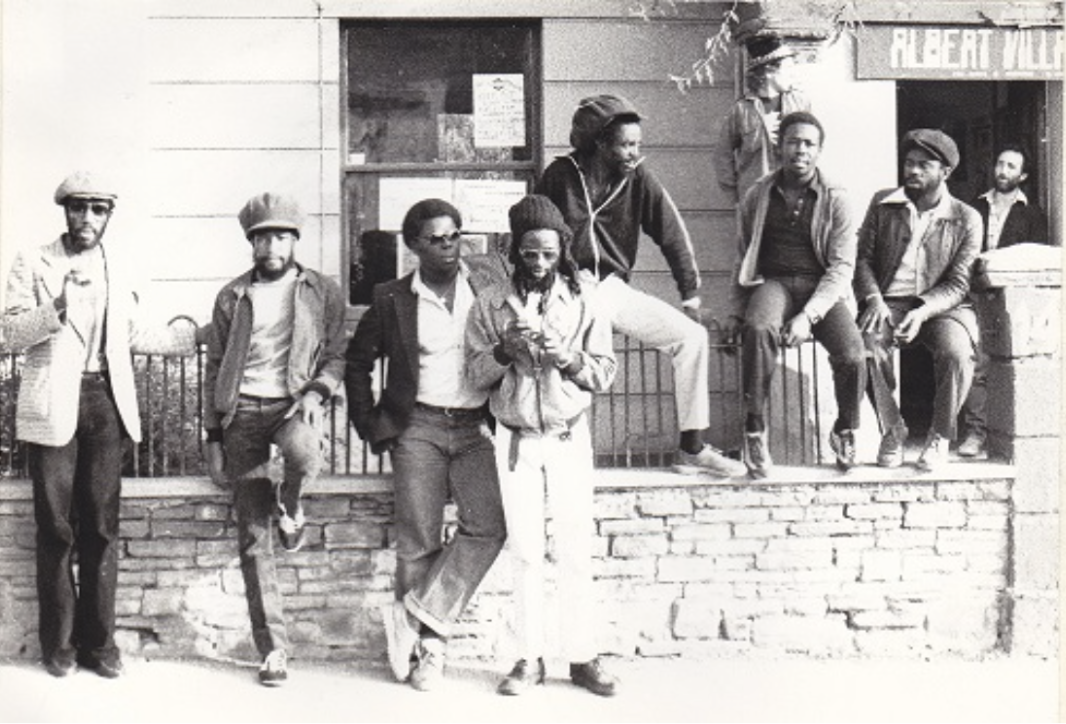
Figure 2: Black Roots performing in St Paul’s, circa 1980, credit: Black Roots Archive
The Bamboo Club (1966), a reggae and blues club was the first official West Indies nightclub in Bristol, establishing a sense of permanence within Bristol’s Black music scene. It served as both a social space and a musical hub for Bristol’s Black Caribbean community. Its audiences consisted of people from a range of ethnic backgrounds, providing a key site of interaction and integration of Caribbean culture. The Bamboo Club was integral to the diversification of the landscape of Black music culture. Its success encouraged other nightclubs and music venues such as The Western Star Domino Club, and The Moon Club to embrace Caribbean music culture.
Legendary artists from around the globe performed at the Bamboo Club including Jimmy Cliff, Desmond Dekker and Ben E. King. Bob Marley and the Wailers performed their first show in the United Kingdom there, elevating Bristol’s prominence within the music scene. The internationally recognised club pioneered greater cultural assimilation through the infusion of Black Caribbean music into Bristol’s music scene. So engrained within Bristol’s Caribbean culture was the club, it became the starting location for the first St. Paul’s Festival, now known as St. Paul’s Carnival. This celebration of Caribbean culture helped legitimise the Black music scene, further exposing Caribbean sounds to the city. Despite burning down in 1977, the club left a lasting legacy through its role in the assimilation of Black music forms, helping to cultivate an increasingly syncretic music culture.
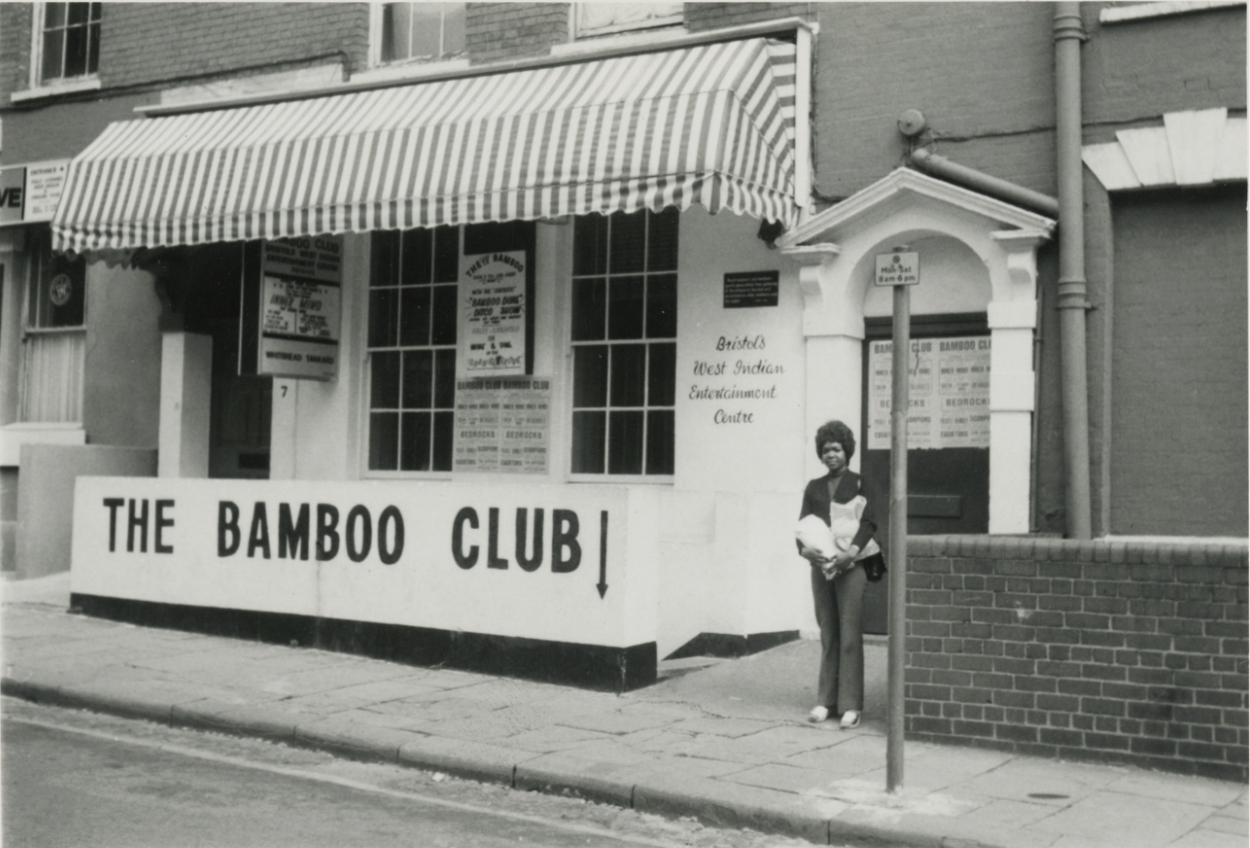
Figure 3: Entrance to The Bamboo Club circa 1970, credit Bristol Archives
Caribbean music and the emergence of a sound system culture in Bristol heavily influenced subsequent generations of artists and forms of music. In the late 1980s and 1990s the Bristol Sound, particularly trip-hop, developed as a distinctive music genre that blended Black music with other subcultural influences. Sounds (dub) and practices (turntables) of Black music culture were key components of the Bristol sound which infused sounds from dub, hip-hop, soul and punk. The success of local ‘trip hop’ bands such as Portishead, Massive Attack and Tricky raised Bristol’s musical profile to a national and international audience.
Bristol’s music culture today encompasses a wide variety of genres and styles. The Windrush Generation transformed the ways in which music was created and consumed. The introduction of deep basslines through the integration of Caribbean music and sound system culture fundamentally shaped the evolution of Bristol’s music culture. The Windrush Generation created spaces of inter-ethnic interaction, fostering musical exchange and innovation which contributed to the intercultural melting pot of music that exists today. Its influence was of paramount importance to the development of Bristol’s distinctive music scene.
Edited by Hannah Seymour, 3rd year, Ancient History