
By Nadia Bishop-Broadhurst, 3rd Year History
The 28th of October marks sixty-four years since the cooling off of the Cuban Missile Crisis. Largely regarded as the closest the world has ever come to nuclear war; it was a period of 13 days in which the world held its breath. In the wake of the 1959 revolution the Cuban government increasingly turned towards Soviet aid. Fearful of the new Socialist Republic, the American government began to closely monitor developments on the island. On the 14th of October an American U2 plane sent to spy on the island captured the setting up of Soviet missiles.
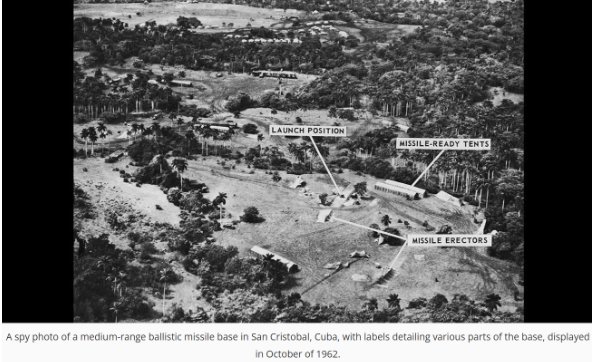
Image source: The Unwritten Record, National Archives and Records Administration (USA)
The American government under JFK felt it had to act, feeling threatened at the proximity of the nuclear weapons. Yet after America's own increasingly interventionist actions in this period, with their own missiles placed in sites globally, and with Cold War tensions higher than ever, the Cuban government bolstered by the Soviets were reluctant to back down.
A US 'quarantine' was imposed on the island. This ‘quarantine’ was a blockade in all but name and forced the hand of the Cubans. On the 28th of October 1962 a deal was struck, Khrushchev agreed to remove the missiles, with the US secretly agreeing to withdraw its own missiles from Turkey and also not to attempt invading Cuba again.
The Missile Crisis is seated in a much longer history of imperialism and subjugation. Cuba was among the first islands Christopher Columbus landed on in 1492, a key entrepôt to the Caribbean. Its people suffered under centuries of Spanish colonial rule, and after defeat in the 1898 Spanish-American war Spain was forced to relinquish the island. It was occupied by America and granted nominal independence in 1902 under the right of the US to intervene in Cuba. The following decades did nothing to remedy deep inequality and endemic poverty. The overthrowing of the American backed Fulgencio Batista in 1959, a dictator and emblem of inequality, came as the result of nearly 400 years of subjugation under colonial and semi-colonial rule.
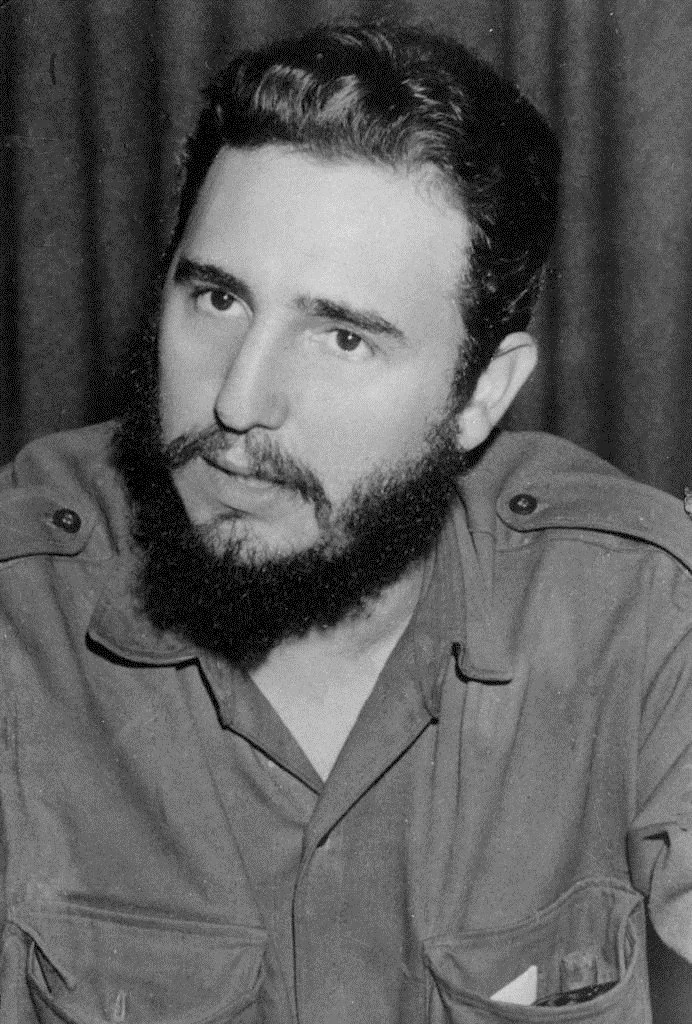
Fidel Castro, president of Cuba at the time of President Kennedy’s naval blockade. Source: Wikimedia Commons
The 1959 Revolution created a deep and lasting effect within the American psyche. Particularly in the Cold War environment, a socialist country ninety miles from the shore of America was an inconceivable reality to the American government. The Missile Crisis became emblematic of this crisis in the global order, with a growing number of countries turning away from the capitalist model. The events of 1959 to 1962 have left a lasting tension and decades of US efforts to bring Cuba back under their US global hegemony.
In 2026 we again see an escalation of these very tensions. The US capture of Nicholas Maduro in January of this year has had greater implications than just on Latin American policy. Actions in Venezuela have allowed the US government to create a chokehold on the Cuban economy, with Cuba losing their main supplier of oil. This was exacerbated by the issuing of an Executive Order on the 29th of January which announced an effective oil blockade, imposing tariffs on any states who supply oil to Cuba.
Since the collapse of the Soviet Union Cuba has struggled economically to support itself and the loss of revenue from tourism during the COVID-19 pandemic has worsened the issue. However, an oil blockade is something very few states/ countries can withstand. It has been likened to that of a modern day 'siege', wreaking the worst of its effects on the everyday people of Cuba. The national grid has recurringly collapsed, with rolling blackouts that are devastating the power supply to hospitals and schools. Economic freefall has seen the devaluing of the Cuban Peso, inflation and surging food prices have all heightened the crisis. This summer saw further rolling blackouts with little access to aircon in the sweltering summer heat contributing to a sense of desperation that has spread across the island as the US has chosen to uphold their blockade.
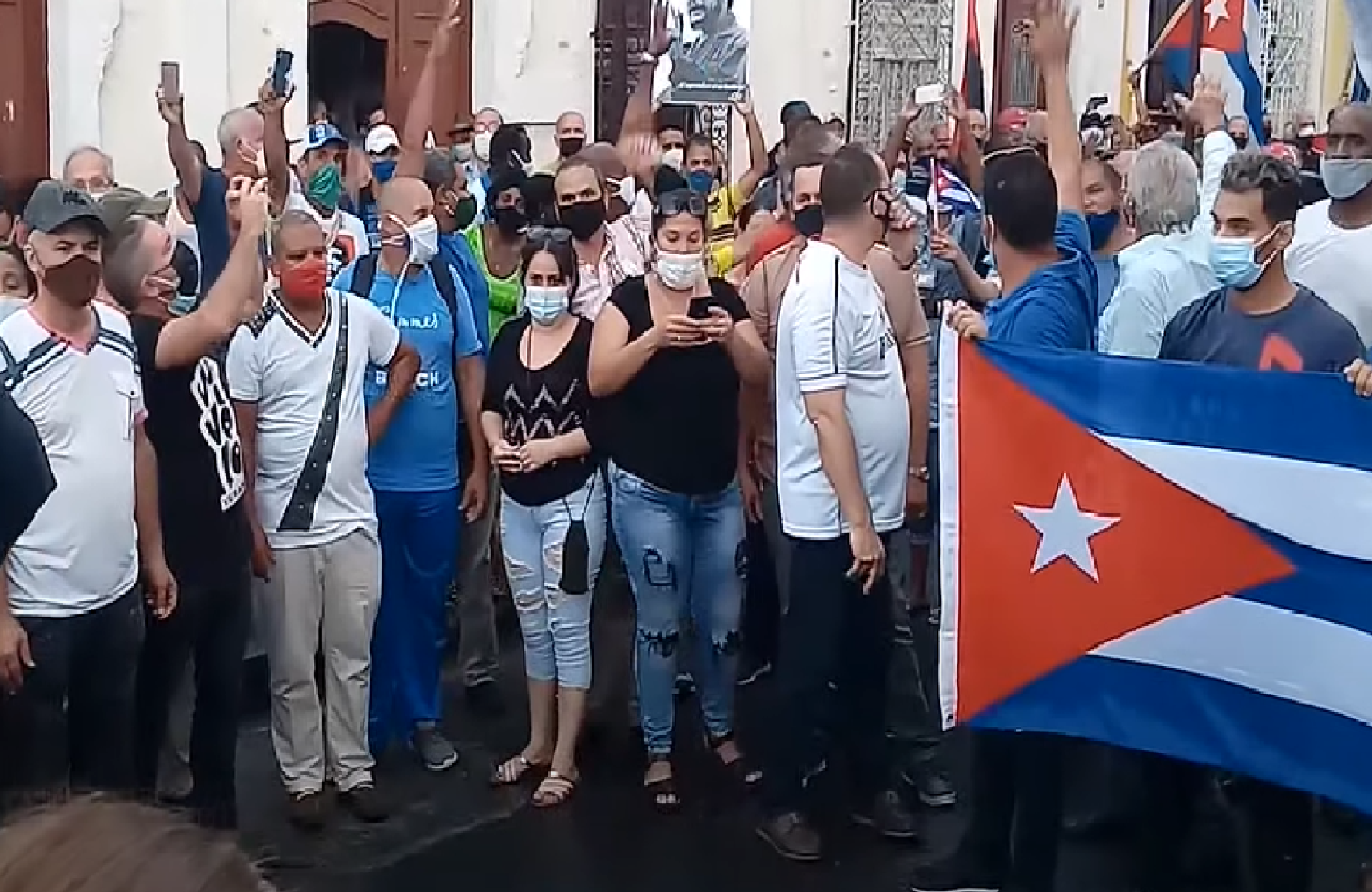
Pro-government Cuban protesters in 2021. Source: Wikimedia Commons
There is a sense of this being more of a point of personal pride for the Trump administration rather than a lawful and politically legitimate policy. On the 16th of March 2026 he announced to reporters, 'I do believe I will be having the honour of taking Cuba'. As Cuban President Diaz-Canel has described this is an 'asymmetrical relationship', the bullying of a smaller power with a larger state’s aims to subsume it. Cuba is increasingly helpless within this worsening humanitarian crisis, and its immediate future looks very bleak whilst the current American administration is in power.
Further Reading:
Trump Says He Will Have the ‘Honor’ of ‘Taking Cuba’ - The New York Times
No fuel, no tourists, no cash – this was the week the Cuban crisis got real | Cuba | The Guardian
Edited by Oliver Bell